Table Of Content
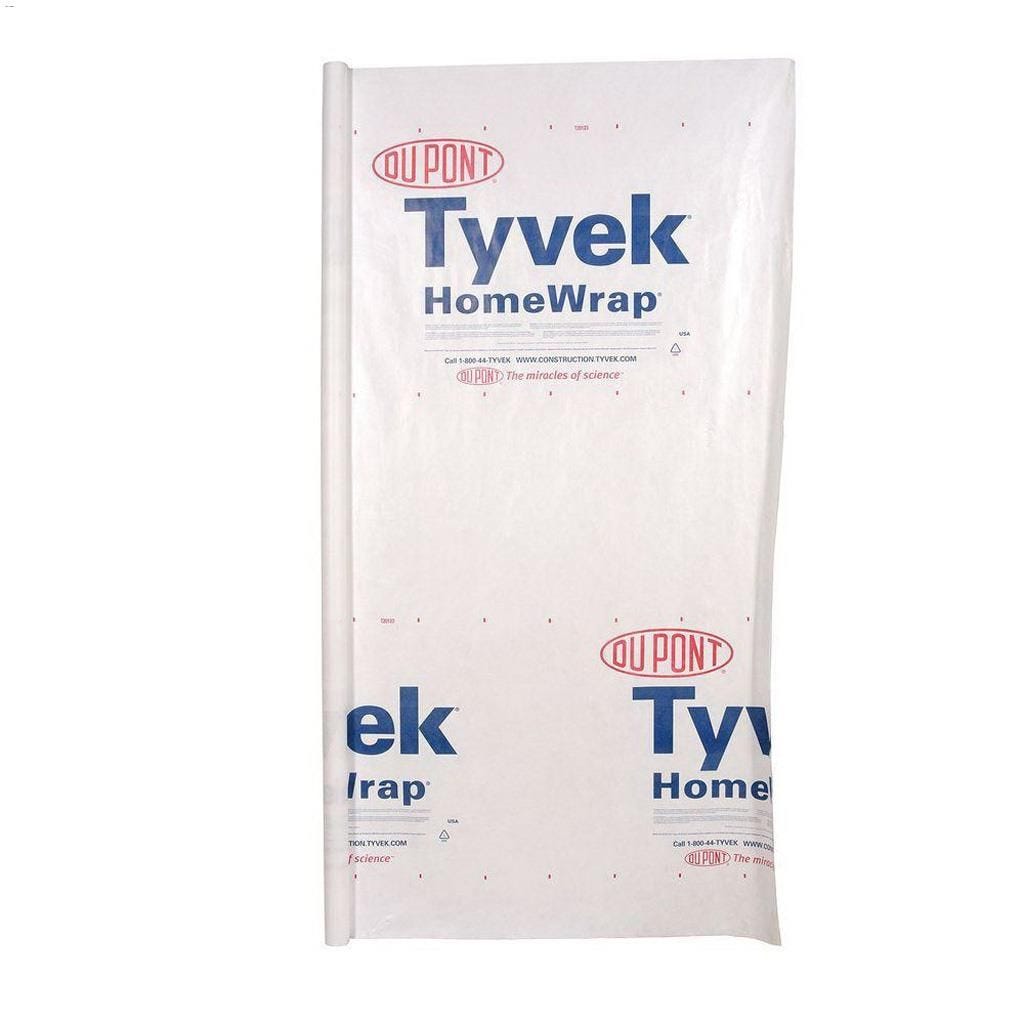
If you’re the general contractor, make sure there’s an extra roll of house wrap at the job site for the framers, electricians and any other sub who’s going to be attaching objects to the wall. (Include instructions for installing it!) Soffit stringers, trim boards and electrical meters all need house wrap behind them. It would help if you maintained the continuity of the WRB from top to bottom using proper shingling. The whole wall surface should be covered, including unconditioned spaces. If non-self adhering sill flashing is in use, you should install WRB below the bottom of the sill flashing to manage proper shingling.
Save Time—Buy 3-inch Tape
“Perm rate” is the rate at which a house wrap allows water vapor to pass through it. Bargain house wraps often have low perm rates and they should be avoided. In cold climates, this is especially true for older homes with little or no moisture barriers. Moisture will escape through the wall cavity and sheathing, and if the house wrap doesn’t allow it to pass through fast enough, it will condense and accumulate in the form of frost and ice. When the ice thaws, you’ll end up with wet sheathing and/or wall cavities—not good.
Prime Wood Siding Before Installing House Wrap
By following these steps, you can successfully install Tyvek house wrap and benefit from its valuable features. If you’re into arts and crafts, you’ll be amazed to know that Tyvek house wrap can be painted on! Its smooth surface makes it suitable for creating unique artwork, such as paintings or mixed-media collages. A minimum overlap of 12″ is required at corners and a 1″ overlap on the sill plate is necessary for protection.
Water Management
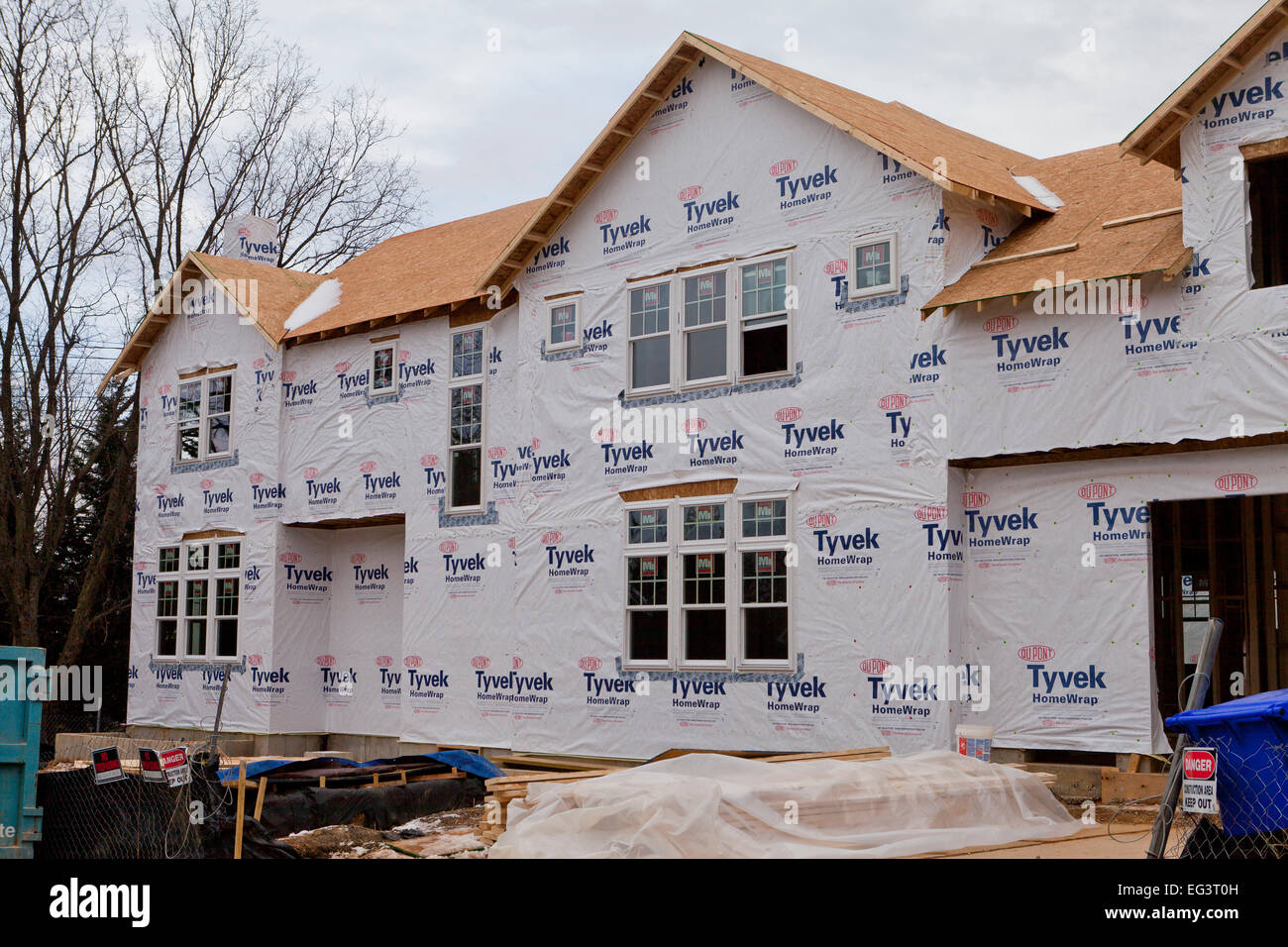
Additionally, Tyvek house wrap helps to maintain indoor air quality by reducing the infiltration of allergens, pollutants, and external contaminants. It also acts as a protective layer against outside elements, increasing the lifespan of the building materials and reducing maintenance costs over time. The average cost of Tyvek house wrap ranges from $0.50 to $0.75 per square foot. The price may vary depending on the brand, supplier, and location. This helps to provide added protection against air and moisture intrusion.
What’s the Building Code for Housewrap Installation?

The leading perforated wraps on the market today are made of a coarse, woven polypropylene slit film. This weave structure is inherently poor for resisting air and water infiltration. To address this weakness, a thin polypropylene film coating is added to seal the breaches and lock the weave in place. Using capped fasteners will ensure a good night’s sleep on those windy nights knowing the house wrap you installed last week is not blowing all over the neighborhood. After installing a water-resistive barrier, refer to the flashing system guidelines to flash and prepare doors and windows. Several penetrations include bathroom exhaust fans, exterior lights, dryer vents, gas lines, electrical outlets, and bathroom exhaust fans.
Here, the top layer of the water-resistive barrier should be directed over the bottom layer at least 6″. Using a 1×4 or something similar, make the inside corner very tight. There is the need to integrate expansion joints and weed screeds with the water-resistive barrier and flashings. When it comes to the grade foundation, the slab should extend to the bottom of the sill plate. Specific brick ties function as additional fasteners for WRB. If you install them within 24 hours of the Tyvek layer, it may reduce the number of fasteners required for initial attachment.
Tyvek house wrap is not only water-resistant but also breathable. It allows moisture vapor to escape from the walls, preventing condensation buildup and potential damage to the structure, such as mold or rot. Fastening requirements for the WRB are not mentioned in the IRC. Figuring that tarpaper installation must be “free from holes and breaks,” it’s important to consider the effect of common installation practices like fine wire hammer-tacker staplers. Often the contact rim on a stapler rips a small hole each time the tacker is whacked.
Don’t Cut Out Window Openings
Ultimately, the best adhesive for Tyvek will depend on the specific requirements of the project at hand. Tyvek house wrap was originally developed as a solution for the construction of Apollo spacesuits! This durable material was deemed perfect for protecting astronauts from extreme temperatures and other harsh elements in space. Alternatively, self-adhering peel and stick building wraps can be used to eliminate the need for nails and staples.
The Latest in Housewrap Products - Builder Magazine
The Latest in Housewrap Products.
Posted: Fri, 27 Jul 2018 07:56:25 GMT [source]
Most saws won’t cut all the way through a full roll, so cut as deep as you can, then twist the roll until the cut is complete. Smaller rolls means more tape on the horizontal seams, but the labor saving is worth the extra trouble and expense. The days of using a hammer tacker to install house wrap are gone forever.
Inevitably you’ll have to deal with a tear in your beautiful handiwork. Small holes and tears can be repaired with tape, but larger ones require a patch. Make a horizontal slice in the house wrap just above the damaged area and slide in a patch, making sure to cover the hole by 2 in.
You must also install fiber cement siding and Tyvek WRB as per the applicable codes, industry standards, and manufacturer’s instructions. Enhanced water management and drainage in high exposure installations are possible if you install a drainage mesh on a WRB, use Tyvek DrainWrap, or create a rain screen using furring strips. Wood siding and Tyvek WRB must be installed as per the industry standards, applicable codes, and manufacturer’s instructions. In addition, according to the recommendation by the U.S.
An efficient way to install them is by utilizing STINGER collated tools, which allows for a 50% faster installation compared to applying fasteners manually. DuPont™ Tyvek® HomeWrap® is the original house wrap, incorporating unique material science that helps keep air and water out, while letting water vapor escape. As a result, it can contribute to improved building durability by helping to protect homes against damaging wind and rain that can penetrate the exterior cladding. Tyvek® HomeWrap® can also reduce home energy bills by controlling air flow and water intrusion, which helps insulation work better, allowing the HVAC system to work more efficiently. It’s a house wrap engineered to keep homes cool in the summer, warm in the winter, and dry all year round.
Other WRBs include asphalt felt and Grade D building paper, rigid foam board insulation, liquid-applied sealers; Zip System sheathing; and Delta-Dry product. The installation of Tyvek house wrap provides several notable benefits. Firstly, it acts as an effective air and water barrier, reducing the risk of moisture-related damage and improving energy efficiency.


No comments:
Post a Comment